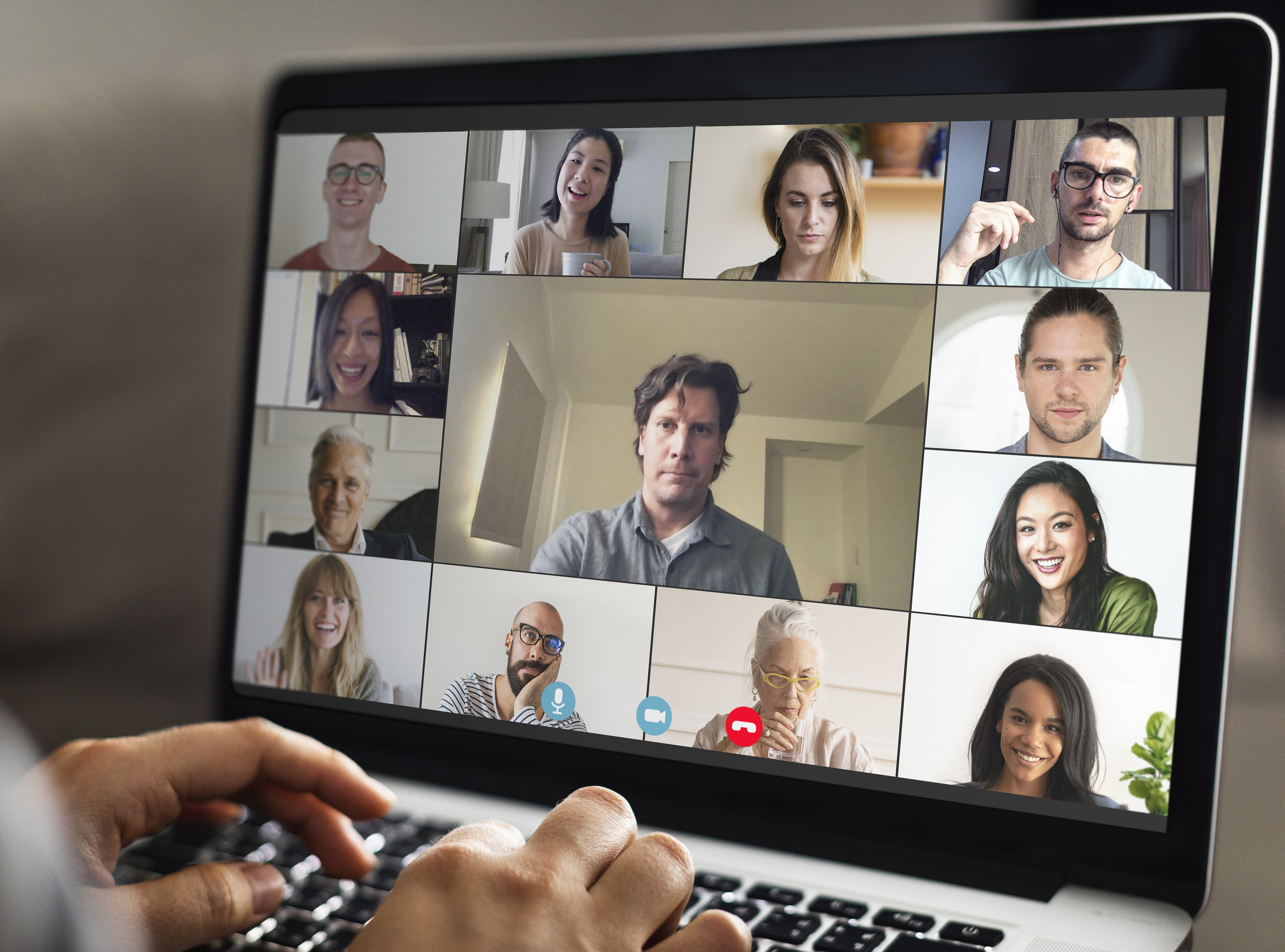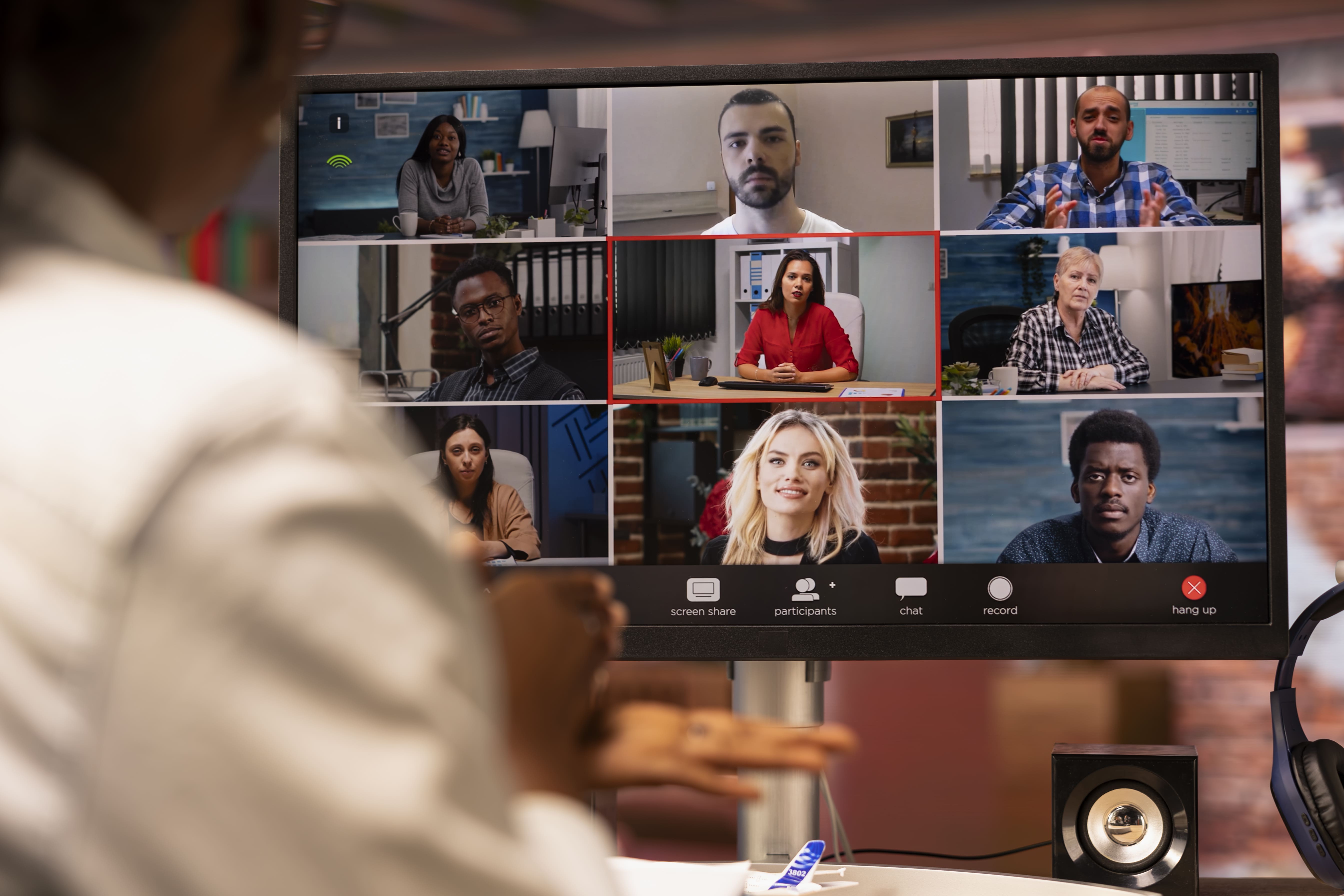
You've booked the venue.
The agenda is set.
The speakers confirmed.
But here's the question most Nigerian event organisers never ask until it's too late: Will people actually be present or just physically in the room? 🤔
There's a difference. And in Nigeria's corporate event space, where attendees are increasingly savvy, time-poor, and easily distracted, the gap between a room that's buzzing and a room that's just occupied has never been wider.
📍 Here are five things that close that gap.
1️⃣ Start With a Game, Not a Welcome Address
The moment most corporate events die is in the first ten minutes when someone walks to the podium to "officially welcome" everyone, and the audience immediately reaches for their phones.
Flip the script.
Open with a live game.
Tools like Kahoot, Mentimeter, and Slido let you run real-time quizzes, polls, and Q&As directly from attendees' phones, no app download, no friction. Set up an industry trivia game before your first speaker takes the stage. Display a live leaderboard on the main screen. Within minutes, the room is alive, competitive, and warmed up.
📌 The principle: people engage with what feels like play faster than they engage with what feels like a programme.
2️⃣ Make the Audience Part of the Content
The panel discussion is the most overused format in Nigerian corporate events and the least engaging. Five people on a stage, microphone passed around, while 200 people watch passively.
There's a better way. 👇
Use Slido to let attendees submit and upvote questions anonymously before and during the panel. The most popular questions rise to the top. Suddenly, the panel is answering what the room actually wants to know not what the moderator prepared last week.
Or try structured speed networking: pair attendees for three-minute conversations using a rotating prompt (a question about their biggest work challenge, or the last event that changed how they think). Set a timer. Rotate. In 20 minutes, people have had 6–7 real conversations instead of 1–2 awkward ones.
📌 The rule: an audience that participates remembers. An audience that watches forgets.
3️⃣ Design for the Nigerian Room: Not a Generic Playbook
Nigerian professionals don't respond to events the same way their counterparts in London or New York do. The culture here is relational, expressive, and social in a way that generic event formats often suppress.
A 2024 survey found that 68% of Nigerian professionals actively prefer events that reflect their local identity over generic Western formats. That's not a soft insight, it's a design brief.
What this looks like in practice:
🔵 Use "Afrobeats or Amapiano" strategically not just as background filler, but as a transition tool between sessions that signals energy shifts and keeps the room from going flat.
🔵 Build in deliberate unstructured time: Nigerians connect over food, conversation, and shared laughter. A 20-minute networking break with the right atmosphere will do more for attendee satisfaction than a second keynote.
🔵 Incorporate local storytelling prompts opening with "tell your neighbour the career decision you almost didn't make" lands differently (and better) than a standard icebreaker.
📌 Culture isn't decoration. It's engagement strategy.
4️⃣ Break the Session Into Smaller Rooms
The single biggest enemy of engagement at Nigerian corporate events is the marathon plenary, one room, one speaker, three hours, no variation.
The fix is breakout sessions: smaller groups, focused topics, active participation. Research consistently shows that people are more likely to ask questions, share ideas, and connect with others when the group size drops below 20.
For large conferences, this means designing your agenda so that the main stage sets context and smaller rooms deliver depth. For mid-sized events, it can be as simple as splitting into groups for a 30-minute workshop, then reconvening.
📌 The side benefit: breakout rooms dramatically increase the quality of networking. People stop orbiting the room looking for an excuse to talk. The session gives them one.
5️⃣ Don't Let the Event End When It Ends
Most Nigerian corporate events disappear 48 hours after they happen. No follow-up, no community, no next step. The organiser moves on. The attendees move on. Nothing compounds.
The organisers who build loyal, returning audiences do one thing differently, they extend the event beyond the venue.
This means:
🔵 A post-event WhatsApp or Telegram group that keeps the conversation alive (not a broadcast channel but a community)
🔵 A recap email or short video within 24 hours, while the experience is still fresh
🔵 A clear next event announced before people leave, so the audience has something to look forward to
🔵 A satisfaction poll that takes 60 seconds and actually gets read before the next event is planned
Events should compound. Each one should leave you with a bigger, warmer audience for the next one. If it doesn't, you're starting from scratch every time.
📍 The Shift Worth Making
Engaging events don't happen by accident in Nigeria or anywhere else. They're designed with intention, with cultural awareness, and with a real understanding of what makes people feel like their time was well spent.
The good news: the tools, the tactics, and the templates exist. Most organisers just aren't using them yet.
That's your advantage.
📢 Chazon helps organizers discover what's working before, during, and after the event. List your next event and get the visibility that helps you build an audience, not just an attendance count.
Get started on Chazon! 🚀
🏞️ Image by freepik
#Engaging Event#Event planning#Event management#Event analysis
Share this article:Share on X